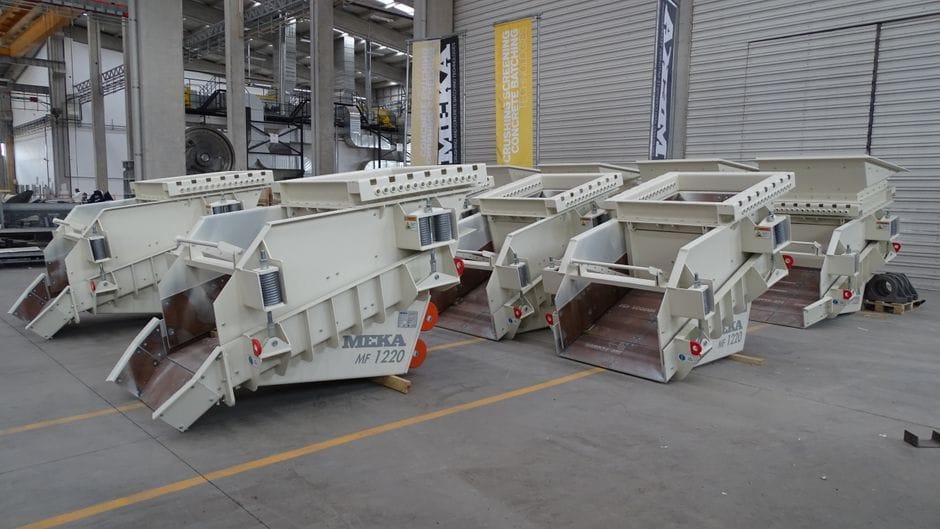
In short: Horizontal vibrating screens play a crucial role in industrial material processing by conveying, sizing, dewatering, and separating bulk materials along a flat deck layout. Operating with linear vibratory motion, these machines offer low headroom requirements and controlled material travel speeds, making them ideal for facilities with restricted vertical clearance. Magwell Industries brings over 12 years of custom technical engineering experience to manufacture tailored vibrating machinery and magnetic separators for plastic recycling, food processing, chemical, foundry, tea, sugar, and grain industries. By providing detailed layout drawings and custom-built screen configurations, Magwell helps plants maximize material throughput, separation accuracy, and product yield while seamlessly integrating vibrating screens with shredders, washers, screw conveyors, and high-intensity magnetic rods across complete industrial processing lines.
Quick answers
- Horizontal vibrating screens convey, size, wash, and dewater bulk materials on a low-headroom, flat deck.
- Linear vibratory motion moves particles forward while smaller pieces fall through the mesh deck.
- Key applications include plastic recycling, food processing, foundries, chemical plants, sugar, tea, and grain processing.
- Magwell Industries provides custom equipment design, in-house technical manufacturing, and complete plant layout drawings.
Key takeaways
- Horizontal vibrating screens save vertical space and offer high sizing precision through controlled material travel speed.
- Custom engineering ensures equipment matches specific plant headroom, throughput demands, and material traits.
- Integrated recycling and processing lines combine vibrating screens with shredders, washers, conveyors, and magnetic separators.
- Magnetic rods, hand magnets, and Gauss meters ensure total ferrous contamination control along material lines.
Bulk material processing requires precise separation and smooth handling. Industrial processing plants must separate, filter, and move raw materials without bottlenecks or downtime. A horizontal vibrating screen is a vital piece of machinery used to size, wash, and separate bulk materials efficiently. At Magwell Industries, we bring over 12 years of technical experience in designing, manufacturing, and exporting custom vibrating equipment and magnetic separators from South India.
Choosing the right screening machinery helps industrial plants achieve consistent product quality, economical operation, and higher overall yield. Whether you process plastic granules, food products, or foundry materials, understanding how horizontal vibrating screens work helps you select the ideal layout for your plant.
What Is a Horizontal Vibrating Screen and How Does It Work?
A horizontal vibrating screen is an industrial screening deck installed flat or at a very small angle. Unlike inclined vibrating screens that depend on gravity to push materials downward, horizontal vibrating screens use linear or vibratory motion to convey bulk materials across the screen surface while separating particles by size.
The equipment operates by applying controlled vibratory force to the screen deck frame. When raw material enters the feed end, the vibration moves the material upward and forward in a steady motion. Smaller particles fall through the mesh or screen openings, while oversized particles move across the deck to the discharge point. This controlled travel action keeps materials on the deck long enough to achieve thorough separation.
Magwell Industries designs vibratory systems as part of our broad machinery portfolio, which includes equipment such as vibrating feeders, vibratory furnace charging units, trommel screens, and industrial vibrating tables.
Why Choose a Horizontal Vibrating Screen for Industrial Processing?
Horizontal vibrating machinery provides distinct technical benefits for facilities with tight space constraints or strict sizing requirements. Industrial processing plants choose horizontal screens for several major reasons:
- Low Overhead Space Requirements: Because horizontal screens are flat, they require much less vertical headroom than steep sloped screens. This makes them ideal for existing plant layouts with low ceilings.
- Controlled Material Travel Speed: Linear vibratory action moves material along the deck at a consistent pace. This longer retention time improves screening precision and particle sizing accuracy.
- Effective Dewatering and Washing: The flat screen deck layout allows wash sprays and liquid drainage systems to clean bulk materials thoroughly as they pass over the mesh.
- Economical and Efficient Performance: High-efficiency vibratory design lowers energy consumption while delivering higher output yield and quality products for plant owners.
Which Industries Require Horizontal Vibrating Machinery?
Vibrating screens and bulk material handling equipment serve many manufacturing sectors. Magwell Industries custom engineers machinery tailored specifically for these key industries:
- Plastic Recycling: Screening plastic regrind, flakes, and granules following shredding or crushing operations.
- Food Processing, Grain, Tea, and Sugar: Cleaning, grading, and separating raw agricultural products, tea leaves, sugar crystals, and free-flowing powders.
- Foundries and Machine Workshops: Sorting foundry sand, metal bits, and workshop scrap materials.
- Chemical Processing: Classifying chemical powders, plastic granules, and dry compounds.
- General Manufacturing: Sizing raw bulk products to ensure uniform size before downstream processing or packaging.
How Do You Design and Select the Right Vibrating Screen Layout?
Selecting the right vibrating screen layout involves evaluating your facility space, output goals, and material characteristics. An incorrect screen layout can lead to material spillages, poor separation accuracy, or unwanted machinery wear.
When evaluating layout design for your plant, consider these essential technical factors:
- Material Characteristics: Evaluate particle size, bulk density, moisture levels, and flow traits of your powders or granules.
- Capacity Requirements: Determine the hourly throughput needed to match upstream and downstream equipment.
- Plant Layout and Headroom: Measure floor space, ceiling clearance, and feed locations. Magwell Industries provides layout details and technical drawings along with equipment designs to assist with client plant setup.
- Screen Deck Specifications: Choose suitable screen deck dimensions, mesh openings, and wear-resistant structural materials.
How Does Custom Engineering Improve Screening Efficiency and Yield?
Standard off-the-shelf machinery rarely meets every custom plant requirement. Tailored engineering allows manufacturers to build equipment specifically designed for unique material challenges, directly improving plant efficiency and profitability.
At Magwell Industries, our in-house design and manufacturing facilities in Tamil Nadu, India, build specialized, value-added equipment. Custom design enhances screening efficiency and yield through focused design features:
- Higher Product Yield: Precise mesh sizing and decks prevent oversized contaminants from spoiling finished batches, maximizing usable output.
- Optimized Material Flow: Customized feed hoppers and discharge chutes eliminate material spillage and prevent operational bottlenecks.
- Durable Equipment Construction: Custom structural design ensures frames withstand heavy bulk loads and continuous industrial duty.
- Profitable Plant Operation: Efficient vibratory systems reduce energy consumption while delivering high-grade end products, giving customers profitable results.
How Do Vibrating Screens Integrate into Complete Processing and Recycling Lines?
In modern industrial facilities, vibrating screens function as part of an integrated processing circuit. They work alongside material handling conveyors, size reduction machinery, and magnetic separation units to form fully operational plants.
For instance, in a complete turnkey PET bottle recycling plant designed and exported by Magwell Industries, raw bottle waste passes through a multi-stage wash line system:
- Shredding and Crushing: Belt conveyors carry used bottles into double-shaft shredders and wet crushers to convert bottles into raw flakes.
- Conveying and Washing: Screw conveyors transport flakes through hot floating washers, high-speed friction washing machines, and floating washing units to remove dirt and glue.
- Draining and Dewatering: Dirty draining screws and dewatering machines work together with trommel screens and vibrating screens to drain wash water and isolate clean plastic flakes.
- Ferrous Metal Extraction: Magnetic separators protect product purity. Technicians install high-intensity rare-earth magnetic rods—available in round or square stainless steel configurations with seam-welded end caps—or easy-clean hand magnets to remove fine ferrous particles from powders, liquids, or plastic granules. Hand magnetic testing rods sample material streams, while Gauss meters verify magnetic field intensity. You can read more about why food processing plants need stainless steel magnetic separators to maintain strict quality standards.
By supplying complete plant layout drawings and custom machinery designs, Magwell Industries helps global customers build efficient, highly reliable industrial lines tailored to their exact production standards.
Frequently asked questions
What types of bulk materials can be processed with horizontal vibrating screens?
Horizontal vibrating screens process bulk materials including plastic granules, PET bottle flakes, sugar, grain, tea, chemical powders, foundry sand, and free-flowing liquids.
Can horizontal vibrating screens be custom engineered for existing plant layouts?
Yes. Magwell Industries uses in-house technical design facilities to custom engineer vibrating equipment to fit specific floor space, ceiling headroom, and processing capacity requirements.
How do vibrating screens complement magnetic separators in production lines?
Vibrating screens grade and size materials while magnetic separators, such as high-intensity rare-earth magnetic rods and hand magnets, extract ferrous contaminants from the screened material stream.
Does Magwell Industries supply layout drawings and technical designs for vibrating equipment?
Yes. Magwell Industries provides layout details and technical design drawings along with custom machinery to ensure smooth installation in complete processing systems.
What maintenance considerations help ensure long-term vibrating equipment reliability?
Regular inspection of screen mesh deck condition, routine checks of vibratory drive components, and keeping magnetic rods and testing tools clean help ensure equipment reliability and continuous output.
Contact Magwell Industries today for custom-engineered horizontal vibrating screens, magnetic separators, and complete processing plant layout designs tailored to your operations.